23 October 2026
Restoring Faded Exterior Paint on North-Facing Walls
Presented by @melbpaint96763640
In Melbourne, north-facing walls receive the most direct sunlight of any elevation on a home. Because Melbourne sits in the Southern Hemisphere, the sun tracks across the northern sky for most of the year, and these walls take https://melbpaint91275175.clarionvale.com/posts/front-door-colours-that-lift-kerb-appeal-on-melbourne-homes sustained ultraviolet (UV) exposure, heat, and the occasional harsh afternoon storm. The result is often visible: chalky surfaces, washed-out colours, hairline cracking, and paint that looks tired years before the other sides of the house. Understanding why this happens and how to correct it is the first step toward a lasting restoration.
Why North-Facing Walls Fade Faster in Melbourne
Paint is a composite of pigments, binders (resins), fillers, and additives. UV radiation breaks down the binder over time, a process known as photodegradation. As the binder weakens, pigment particles loosen from the surface and the paint begins to look dull and faded. North-facing walls in Melbourne face several compounding stresses:
- High UV exposure: Melbourne's summer UV index regularly reaches extreme levels, and north walls receive direct radiation for long periods each day.
- Thermal cycling: Melbourne's changeable weather, sometimes described as four seasons in one day, causes walls to expand when hot and contract when cool, stressing the paint film.
- Dark colour absorption: Darker colours absorb more heat and UV, so deep greys, navy, and charcoal fade and degrade faster on northern elevations.
- Lower-quality or aging products: Older paints, or budget products with lower binder content and weaker UV inhibitors, break down more quickly under these conditions.
Fading is not just cosmetic. Once the binder deteriorates, the paint film loses its ability to shed water and protect the substrate beneath, whether that is render, brick, timber weatherboard, or fibre cement cladding.
Assessing the Damage Before You Start
Not every faded wall needs the same treatment. A careful inspection determines whether the surface needs a simple clean and recoat or more extensive repair work.
The Chalk Test
Rub your hand firmly across the wall. If a coloured powder transfers to your palm, the paint is chalking. Light chalking can be washed off before repainting, but heavy chalking means the binder has significantly broken down and the surface needs thorough cleaning and a suitable sealer or primer to bond the new coats.
Checking for Cracking, Peeling, and Blistering
Look closely for fine cracks, flaking edges, and bubbles. These indicate loss of adhesion, and sometimes moisture trapped behind the paint. Peeling paint must be scraped back to a sound edge, and any underlying cause of moisture should be addressed before repainting.
Inspecting the Substrate
Different surfaces age differently under the Melbourne sun:
- Timber: Look for raised grain, splits, open joints, and softened or rotted areas, particularly near windowsills and board ends.
- Render and masonry: Check for hairline cracks, drummy (hollow-sounding) patches, efflorescence (white salt deposits), and mould or lichen in shaded corners.
- Fibre cement and metal cladding: Inspect for failed sealant at joints, surface rust on fixings, and loss of coating at edges.
Step-by-Step Process for Restoring Faded Exterior Paint
A durable result depends far more on preparation than on the paint itself. Professional painters typically spend the majority of a project's time on preparation, and for good reason. The following sequence reflects accepted best practice for exterior painting in Melbourne conditions.
1. Clean the Surface Thoroughly
Start with a low-to-medium pressure wash to remove dirt, loose chalk, cobwebs, and surface mould. Excessive pressure can damage timber, force water behind cladding, or erode soft render, so technique matters. Where mould or algae is present, apply a suitable fungicidal wash and allow the recommended dwell time before rinsing. Allow the wall to dry fully, which in Melbourne may take a day or two in warm weather and longer in cool, damp conditions.
2. Scrape, Sand, and Repair
Remove all loose and flaking paint with scrapers and sanders. Feather the edges of remaining paint so the transition is smooth and will not telegraph through the new coating. Fill cracks and holes with an exterior-grade filler, replace rotted timber, and re-seal gaps around windows, doors, and joints using a quality exterior sealant. Treat any rust on metal fixings with a rust converter or primer.
3. Apply the Right Primer or Sealer
Bare timber needs an appropriate exterior primer. Chalky or porous surfaces benefit from a sealer or binding primer that penetrates and stabilises the surface. Fresh render or patched areas generally need an alkali-resistant primer. Skipping this step is one of the most common reasons for premature paint failure and uneven colour.
4. Choose a High-Quality Exterior Paint
For north-facing walls, select a premium 100% acrylic exterior paint with strong UV resistance and good colour retention. Many leading Australian paint manufacturers offer ranges specifically formulated for harsh sun and thermal movement, and some include heat-reflective technology that helps keep darker colours from overheating. Check the technical data sheet for recommended applications, recoat times, and weather conditions.
5. Apply Two Finish Coats
Two full topcoats are the standard for a uniform, durable finish. Apply in suitable weather: ideally temperatures between about 10°C and 30°C, no rain forecast for several hours, and no strong northerly winds that cause paint to dry too rapidly. On hot Melbourne days, work with the sun, painting the north wall in early morning or late afternoon so the surface is not scorching hot. Painting on a hot surface can cause blistering, poor adhesion, and visible lap marks.
Choosing Colours That Last on a North Wall
Colour selection directly affects how long a restored finish will look good. Lighter and mid-tone colours reflect more solar energy and generally show less fading over time. If you prefer a dark colour, look for paints with a higher light reflectance value (LRV) within that colour family, or products engineered with heat-reflective pigments. Inorganic pigments tend to be more fade-resistant than some organic ones, so ask your supplier about the pigment stability of your chosen colour.
Also consider how the colour will look on a sun-exposed wall. North-facing surfaces receive bright, warm light that can make some colours appear stronger or yellower than they do on a small sample card. Painting a large test patch on the actual wall and viewing it at different times of day is a sensible precaution.
Timing and Weather Considerations in Melbourne
The best periods for exterior painting in Melbourne are typically late spring and early autumn, when temperatures are moderate and rainfall is more predictable. Mid-summer heat and strong northerly winds can make application difficult, while winter brings damp surfaces and longer drying times. Morning dew should always be allowed to burn off before work begins, and coatings need adequate time to cure before evening moisture arrives.
When to Hire a Professional Painting Contractor
Small repaint jobs on single-storey homes can be manageable for experienced DIYers, but many restoration projects benefit from professional help. Working at height, assessing substrate problems, matching existing colours, and achieving a consistent finish across large wall areas all require skill and the right equipment. Homes built before the 1980s may also contain lead-based paint, which requires specific safety procedures during sanding and removal. A qualified painting contractor will test for and manage this risk appropriately.
When comparing painters in Melbourne, consider the following:
- Licensing and insurance: In Victoria, painters undertaking domestic building work above the relevant threshold should hold appropriate registration and carry public liability insurance.
- Written, itemised quotes: A good quote specifies preparation steps, products by brand and range, number of coats, and warranty terms.
- Product quality: Ask which paint systems will be used and why they suit north-facing exposure.
- Warranty and workmanship: Reputable painting service providers stand behind their work with a clear workmanship warranty.
- Experience with your surface type: Weatherboard, render, brick, and cladding each need different preparation methods.
Coordinating Exterior and Interior Work
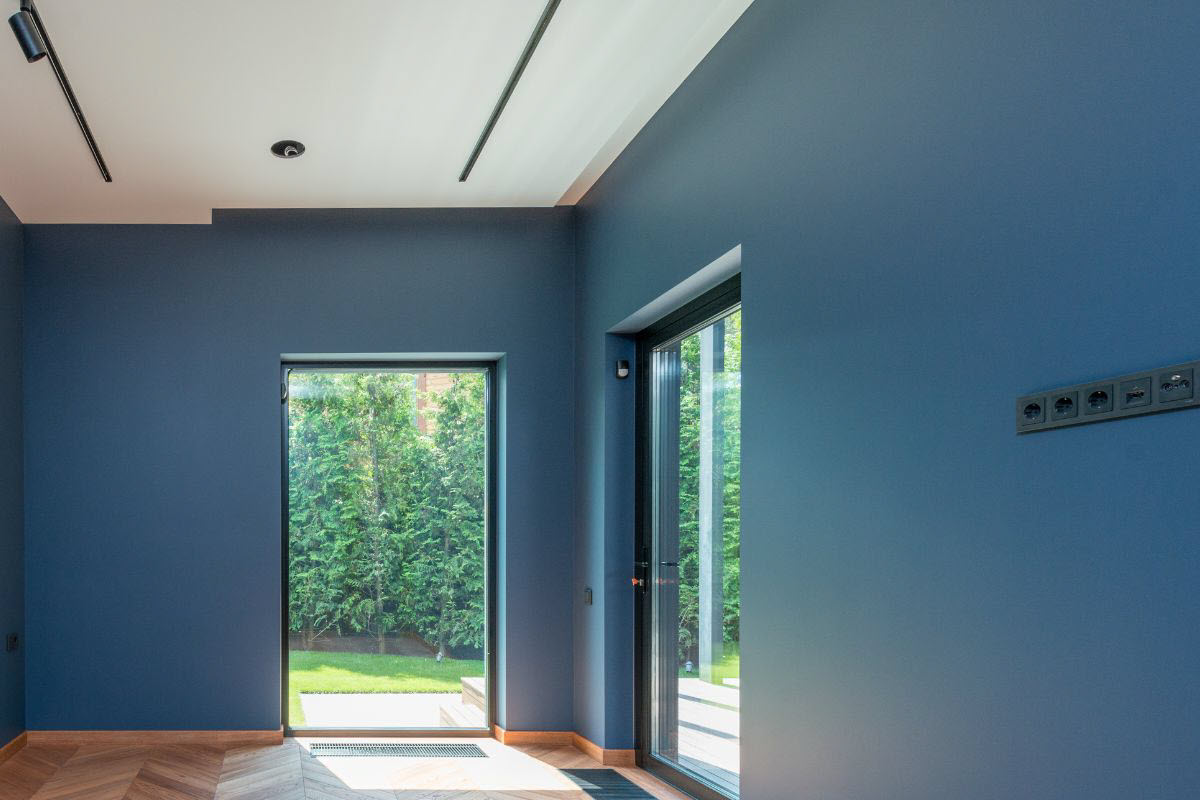
Many homeowners combine exterior painting with interior painting to make the most of scaffolding access, contractor scheduling, and colour planning. A cohesive palette across the exterior and interior creates a unified look, and bundling work under one house painting project can reduce mobilisation costs. If you are planning a larger renovation, discuss sequencing with your painting contractor so that repairs, trades, and finishing coats happen in the right order.
Maintaining Your Restored Finish
Once your north-facing walls have been restored, a little ongoing care helps extend the life of the paint:
Wash the walls gently once a year with a soft brush and mild detergent to remove dirt and pollutants that hold moisture against the surface. Inspect sealants and timber joints annually, and touch up any small cracks or chips promptly before water can enter. Trim back vegetation that traps moisture or rubs against walls, and keep gutters and downpipes clear so overflow does not stain or damage the paint.
With quality products and proper preparation, a well-applied exterior paint system in Melbourne can typically last somewhere between eight and fifteen years, though north-facing walls may sit at the shorter end of that range unless colour and product choices are made carefully. Periodic inspections every few years help catch early signs of wear so that a maintenance coat can be applied before more serious restoration is needed.
Final Thoughts
Faded paint on north-facing walls is a predictable result of Melbourne's strong UV and fluctuating weather, but it is also entirely fixable. A thorough assessment, proper cleaning and repair, the correct primer, a premium UV-resistant topcoat, and sensible timing all contribute to a finish that looks fresh and protects your home for years. Whether you tackle a small section yourself or engage a professional painting service for a full exterior painting project, investing in preparation and quality materials is the most reliable way to restore colour, protect your home's surfaces, and maintain its value in 2026 and beyond.

Melbourne House Painting Pros
2/147 Swan St, Richmond VIC 3121
(03) 4051 5313